




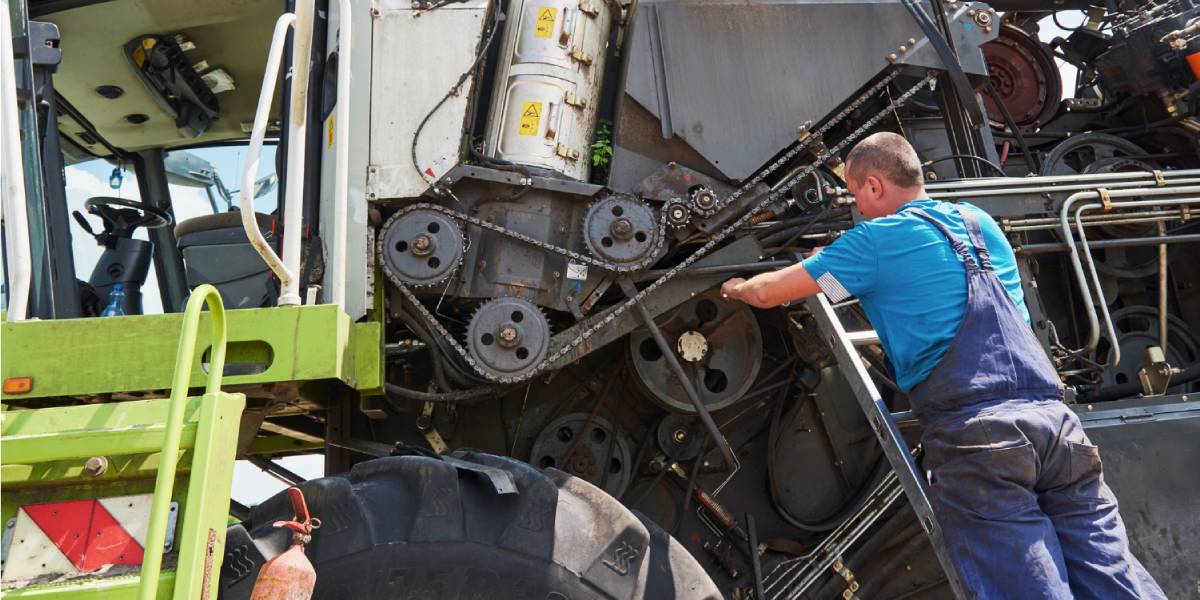
A machine breakdown rarely costs only the price of the repair. When an excavator, loader, or forklift stops working, operators may sit idle, projects can fall behind, and replacement equipment or parts may need to be arranged quickly. For fleet owners and site managers, these disruptions can add up fast.
That is why heavy equipment maintenance should be part of everyday operations, not something handled only after a machine fails. A planned maintenance program helps identify problems early, control repair costs, and keep equipment available when it is needed.
Why Preventive Maintenance Matters
Preventive maintenance for heavy equipment focuses on finding and addressing problems before they cause an unexpected breakdown. Instead of waiting for a hydraulic hose to burst or an engine to overheat, technicians inspect, lubricate, adjust, and replace components according to a planned schedule.
The schedule should follow the manufacturer’s recommendations while also considering operating hours, workload, and working conditions. Equipment working long shifts in dusty or demanding environments may require closer attention than machines used occasionally.
Heavy machinery maintenance also gives businesses better control over their schedules. Planned service can be arranged during quieter periods, reducing the chance that an unexpected repair will interrupt an important job.
The Real Cost of Unplanned Downtime
Consider an excavator that stops halfway through a construction project. The repair itself may be manageable, but the surrounding costs can quickly become more serious. Operators may be unable to work, other crews may have to wait, deadlines can move, and temporary equipment may need to be hired.
Heavy equipment preventive maintenance cannot prevent every mechanical problem, but it can reduce the risk of failures caused by predictable wear and neglected service. Regular inspections, fluid checks, filter replacement, lubrication, and component monitoring can reveal warning signs before a small issue becomes a major repair.
For fleet managers, this also makes maintenance costs easier to plan. Instead of dealing with repeated emergency repairs, teams can budget for scheduled servicing and replacement parts.
Building a Heavy Equipment Maintenance Checklist
A useful heavy equipment maintenance checklist should start with the manufacturer’s service requirements and then be adjusted to the machine’s actual working conditions.
Depending on the equipment, routine checks may include:
- Inspecting tires, tracks, forks, attachments, hydraulic lines, and warning lights
- Checking engine oil, hydraulic fluid, coolant, and other required fluid levels
- Following filter replacement and lubrication intervals
- Checking batteries, cables, and charging systems
- Testing brakes, steering, controls, and other safety-related functions
- Looking for leaks, unusual sounds, vibration, overheating, or visible damage
- Recording inspections, repairs, operating hours, and replaced components
Daily inspections are particularly useful because operators are often the first people to notice a change in how a machine sounds or performs. Reporting that change early gives technicians a chance to investigate before the equipment fails.
Keeping maintenance records is equally important. A clear service history helps identify recurring problems, track component life, and understand the overall condition of a machine. It can also provide useful documentation when equipment is resold or retired.
Key Areas That Deserve Regular Attention
Hydraulic systems: Hydraulic leaks, damaged hoses, and contaminated fluid can affect performance and damage expensive components. Regular inspections and fluid analysis can help identify problems early.
Engine and cooling systems: Low coolant, clogged radiators, worn belts, and cooling-system problems can contribute to overheating. Checking these areas during scheduled service can help avoid unnecessary downtime.
Tires and undercarriage: Tires, tracks, rollers, and other undercarriage components experience constant wear. Uneven wear can indicate operating or alignment issues and should be investigated before the damage spreads.
Electrical and battery systems: Batteries, connections, charging systems, and electrical components deserve regular checks, particularly on electric forklifts and other material handling equipment.
How ALJ Machinery Supports Preventive Maintenance
Abdul Latif Jameel Machinery provides service support to help equipment owners maintain reliable machine performance. Its dedicated service teams can support maintenance needs, while service and maintenance agreements can help businesses plan routine care around their operations.
Reliable parts availability is another important part of reducing downtime. When a worn component is identified, having access to the required replacement part can help prevent a short maintenance stop from becoming a prolonged equipment outage.
For businesses using Toyota material handling equipment, equipment support and monitoring solutions can also help teams track operating hours and keep scheduled maintenance from being overlooked.
Final Thoughts
Heavy equipment maintenance is not about avoiding every repair. Machines work hard, and components will eventually wear out. The goal is to identify that wear early and deal with it before it stops the job.
A consistent maintenance schedule, supported by a practical checklist, accurate service records, and dependable parts and technical support, can help businesses reduce unexpected downtime and get more productive hours from their equipment.
If your fleet is due for a maintenance review, ALJ Machinery’s service and parts teams can help you plan the support your operation needs.